


Filler migration can cause a puffy upper lip, a blurred lip line, uneven fullness, or lumps outside the treated area. These changes may mean your filler has moved from its original position. But swelling and poor filler placement can look much the same.
Maybe your lips looked great after your appointment. Then, months later, you noticed a small ridge above your top lip. It stands out in side-view photos, even when your face is relaxed. Does this mean your filler has moved? Not always. The timing, location, and type of change all matter.
Here are five signs worth checking and what to do if you notice them.
What is Filler Migration?
Ever noticed someone with a puffy area just above their top lip? Sometimes, that's because the filler has moved past the lip line. This is called filler migration, and it can happen in the cheeks or other treated areas too.
Most lip fillers use hyaluronic acid to make the lips look fuller. The same amount of filler can look quite different on two people. It depends on your natural lip shape, how much filler you get, and where it's injected. Sometimes, the filler moves past the lip line. You might then notice a little bump, extra puffiness above your top lip, or one side looking fuller than the other.
Some factors linked to unwanted filler movement include:
Adding too much filler to one area.
Placing filler at an unsuitable depth.
Repeated treatments without checking existing volume.
The type of filler used and how it behaves in the tissue.
Not every change in shape means the product has moved. That distinction matters because different problems need different treatments.
5 Warning Signs of Filler Migration
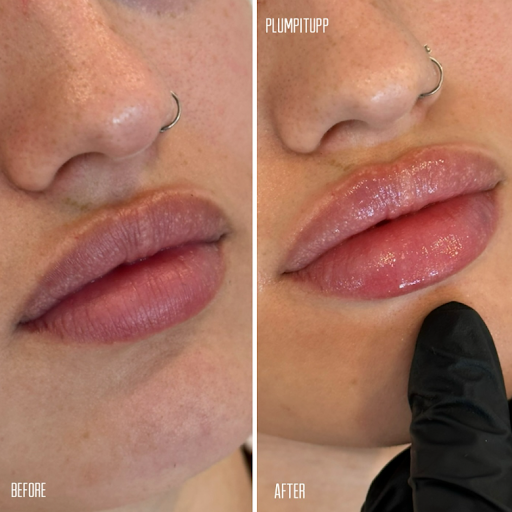
1. Your Natural Lip Border Looks Blurry
Your lip border is the line where the pink part meets your skin. After a good result, that line should still look natural. One possible sign of lip filler migration is fullness above that line. Your upper lip may seem to blend into the skin below your nose. You might notice it when applying lipstick. The edge you used to follow is harder to see. Or your top lip looks raised even when your mouth is closed.
What to check: Compare a recent photo with one taken before treatment. Look at the outline, not just the size of your lips. A blurred border can also result from swelling or excess filler. An injector needs to examine the area to tell the difference.
2. You Notice a Puffy Shelf Above Your Upper Lip
Look at your lips from the side. Is there a raised strip of skin just above your top lip? Some people call this a filler moustache. The area between the nose and upper lip appears fuller than expected. In some cases, the added volume creates a shelf-like shape. It may become more obvious when you smile. But a shelf does not always mean filler has travelled. Product placed too high or swelling in nearby tissue can create a similar look.
What to check: Look at your resting profile in natural light. If the ridge remains after healing, arrange an assessment before booking more filler.
3. Your Lips Become Uneven Weeks or Months Later
A little unevenness right after injections is common. One side may bruise or swell more than the other. But a new change after your lips have settled deserves attention. Perhaps your upper lip now looks fuller on one side. Or a section that used to look smooth has become raised. The change may be easier to spot in photos than in the mirror.
What to check: Ask yourself when the difference began. Was it present right after treatment, or did it appear much later? Natural facial asymmetry is common. The concern is a new or growing difference that does not settle.
4. You Feel Lumps Outside the Treated Area
A small lump right after lip filler isn't always a problem. Your lips need time to heal, and some bumps become less noticeable once the swelling goes down. But say it's been three months since your appointment, and you suddenly feel a hard spot above your top lip. You don't remember it being there before. It might be filler sitting in one place, but it could also be swelling or a reaction under the skin. You can't tell just by touching it.
Keep an eye on a few things:
A lump that wasn't there a few weeks ago.
A bump above or beside the area you had filled.
A spot that feels firmer or looks bigger over time.
Redness, warmth, or soreness around the bump.
Don't keep pressing on it to see if it'll flatten out. That won't tell you what's causing it. Have your injector check it, especially if it's been there for a while. If the area becomes red, hot, or increasingly painful, get medical advice promptly.
5. You Have Puffiness That Keeps Coming Back
Your lips may swell after an injection. That is expected during early healing. But what if the swelling returns months later? Hyaluronic acid attracts water, so filler can sometimes be linked to ongoing puffiness. Delayed inflammation may also occur after illness, dental work, or other triggers. You might wake up with a fuller upper lip, then notice it looks smaller later. Or an area near the filler stays swollen for several days.
What to check: Note when the swelling appears, how long it lasts, and whether it comes with pain or redness. Recurring puffiness does not prove migration. It does mean the area should be checked.
Filler Migration vs. Normal Swelling: How Can You Tell?
Timing offers an important clue. Most routine swelling begins soon after injections and gradually improves. The American Academy of Dermatology notes that minor side effects often clear within 7 to 14 days. Changes that first appear weeks or months later need a closer look.
| What you notice | Normal healing | Reason to get checked |
|---|---|---|
| Swelling | Starts soon after treatment and improves | Appears later or keeps returning |
| Lip outline | Looks puffy during early healing | Stays blurred after swelling settles |
| Unevenness | Gradually improves | Newly develops or becomes worse |
| Lumps | Some early firmness may settle | New, persistent, or growing lumps |
| Pain | Mild tenderness that improves | Increasing or unusual pain |
You cannot confirm migration from a mirror or photograph alone. An experienced clinician can assess the tissue, product history, and symptoms. Sometimes ultrasound is useful to locate filler.
Important: Severe or unusual pain, white or grey skin, blue or dusky skin, sudden vision changes, or stroke-like symptoms during or after injections need emergency medical care. Do not wait for a routine appointment.
What Should You Do if You Suspect Filler Migration?
First, avoid adding more filler to correct the shape yourself. Extra volume can make an already full area look worse. Take clear photos from the front and side. If possible, find out which product was used, when you received it, and how much was injected. Then speak with a qualified medical injector.
During an assessment, useful questions include:
Is this swelling, misplaced filler, or actual movement?
Could an inflammatory reaction explain the change?
Do I need treatment, or is monitoring appropriate?
Should I avoid further injections for now?
The right answer may be to wait. It may also involve treatment or referral to another medical professional.
Can Migrated Lip Filler Be Fixed?
Yes, in many cases. If you have hyaluronic acid filler, a medical professional may be able to dissolve it using an enzyme called hyaluronidase. This breaks down the filler so your body can absorb it.
But not every lump or puffy area needs to be dissolved. Sometimes swelling is the cause, and sometimes the filler hasn't moved at all. Dissolution also carries risks, so it's best to have the area checked first. If you're thinking about getting lip filler again, make sure you know what's causing the current issue. You don't want to add more volume to an area that's already too full.
At Plump It Upp Medi Spa in Etobicoke, we offer hyaluronic acid injections performed by registered nurse injectors. You can discuss your previous filler, any changes you've noticed, and what you'd like your lips to look like.
Book a Lip Filler Consultation in Etobicoke
Have you noticed a bump above your lip? Or does your upper lip look puffy even though it's been months since your last appointment? Rather than guessing what's wrong, get it checked.
At Plump It Upp in Etobicoke, Toronto, you can speak with a registered nurse injector about your concerns. Bring up any past filler treatments, even if you had them somewhere else. This helps the injector understand what's been done and what might be causing the change. And if you're planning to get lip filler for the first time, you can talk through the look you want before going ahead. Book your consultation at Plump It Upp and talk to the team about your next step.
Frequently Asked Questions About Filler Migration
How long does it take for lip filler to migrate?
There's no fixed timeline. Some people notice changes within weeks, while others see them months after treatment. If your lips still look puffy right after injections, it could just be swelling. But if a new ridge or bump appears after your lips have healed, have your injector check it.
Can filler migration go away on its own?
It can become less noticeable as hyaluronic acid filler breaks down, but that may take a long time. Some filler can remain in the tissue for years. If the extra fullness bothers you, an injector can assess whether treatment is needed. You don't have to keep adding filler or simply hope the lump disappears.
Can lip filler migrate years after treatment?
Yes, changes linked to older filler can show up years later. Hyaluronic acid filler may last longer than expected, especially in certain areas. But a new bump doesn't always mean the filler has moved. Swelling or a delayed reaction can look similar, so it's best to have the area examined.
Does filler migration hurt?
Filler migration itself may not cause pain. You might only notice a puffy lip border or a change in shape. Pain, redness, warmth, or increasing swelling could mean something else is going on. Get medical advice promptly if you notice these symptoms. Severe pain, skin colour changes, or vision problems need emergency care.
Can you get lip filler again after migration?
You may be able to, but don't rush into another appointment for more volume. Your injector should first check the existing filler and work out what's causing the change. If further treatment is suitable, you can discuss how much filler to use and where it should be placed.