

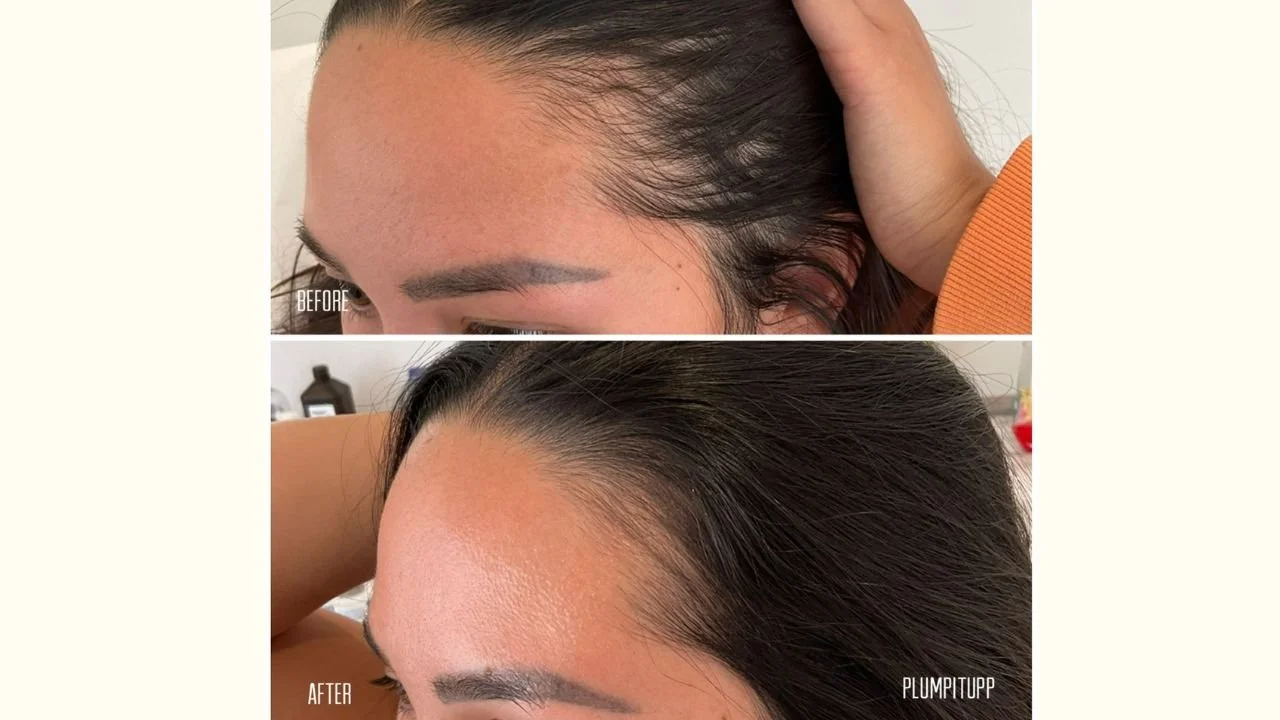
PRP for hair thinning can help some people grow more hair and make thin spots look fuller. It tends to work best when you catch hair loss early. But results vary, and PRP is less likely to help if an area has been completely bald for years.
Maybe you've started seeing more of your scalp when you look in the mirror. Your hair part seems wider, or you need to wrap your hair tie around one more time than you used to. Small things, but you notice them. If you're looking into PRP hair treatment, you probably want to know one thing first. Is it worth trying? At Plump It Upp Medi Spa in Etobicoke, PRP hair restoration is one of the treatments available. Let's look at what it can actually do.
Does PRP Really Help With Hair Thinning?
It can, especially if you have pattern hair loss. That's the kind where your hair gets thinner over time, often around the part, crown, or hairline.
PRP stands for platelet-rich plasma. It comes from your own blood. A small blood sample is taken and spun in a machine to separate the plasma with a higher amount of platelets. That plasma is then injected into your scalp.
Why do this? Platelets release growth factors that may help weak hair follicles grow better. The aim is to help the hair you still have, not replace hair that's already gone. Studies have found that PRP can improve hair density in some people. But the results vary, and there's still no single treatment plan that works best for everyone.
5 Benefits of PRP for Hair Thinning
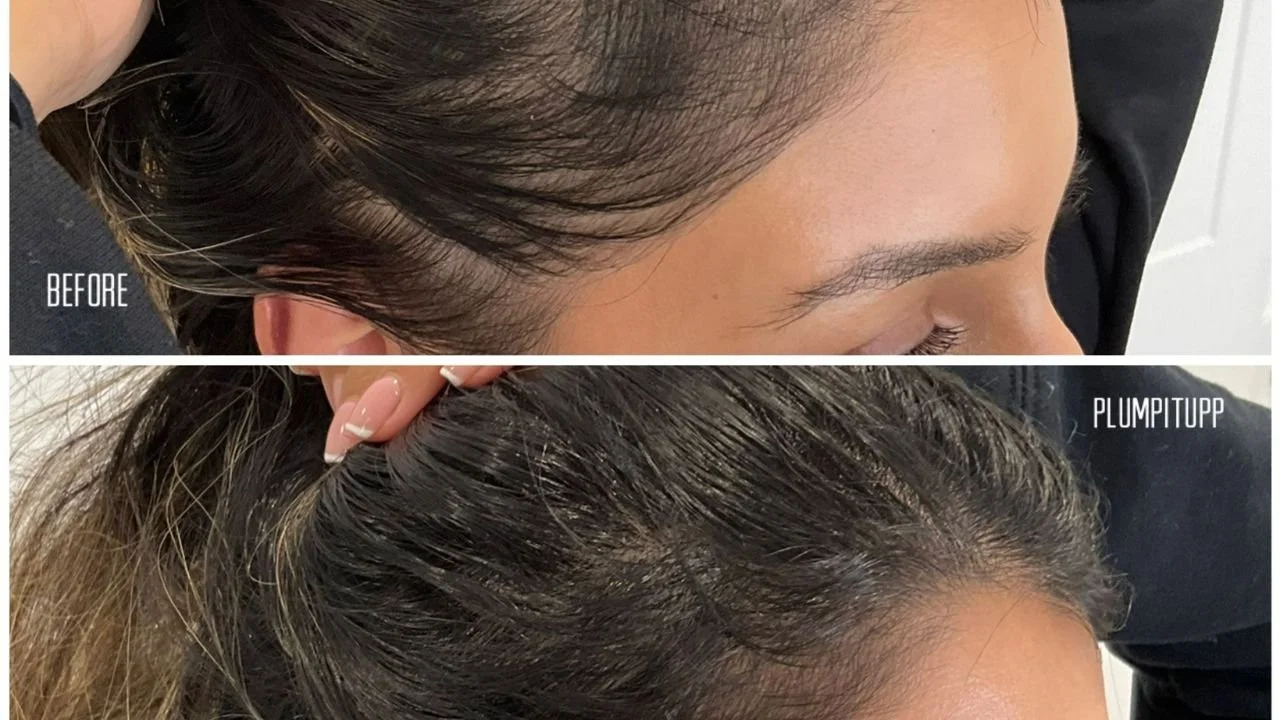
1. Your Hair May Start Looking Fuller
You know how your scalp can look more obvious when your hair is wet? Or when you're standing under a bright light? That's often when thinning becomes hard to ignore.
PRP may help more hairs grow in those thin areas. Researchers have seen improvements in hair density after a course of treatment, mainly in people with pattern hair loss. The change may not be dramatic. You might still have a wide part, just not quite as wide as before. Your scalp may show a little less when you tie your hair back. That's the sort of improvement worth looking for. Not a whole new head of hair.
2. You May Notice Less Hair Falling Out
It's normal to lose some hair each day. But when your shower drain fills up faster than usual, you start paying attention. PRP may help with shedding linked to pattern hair loss. Some people notice less hair coming out when they wash or brush it after treatment.
But there's something you should check first. Did your hair loss start after you were sick? Have you been under a lot of stress? Have you had low iron before? These things matter. If your body is shedding hair because of a health issue, PRP may not be what you need. Finding the cause comes first.
3. Thin Hair May Gain Some Volume
Sometimes your hairline hasn't moved much. You still have hair all over your head, but it doesn't feel as thick. You wash it, dry it, and style it the same way you always have. Yet it falls flat much sooner. PRP may help improve hair growth in some people. Studies have found improvements in hair density, but the evidence for thicker individual strands is less clear.
So don't expect every fine strand to turn thick. A more realistic hope is that the hair you have may give you better coverage.
4. It Doesn't Need Surgery
Not everyone wants a hair transplant. You may not need one either, especially if you're only starting to notice thinning. PRP is done with injections. There's no need to remove hair from one part of your head and move it somewhere else. It also uses plasma taken from your own blood. That appeals to people who would rather avoid surgery.
Still, injections aren't completely painless. Your scalp may feel sore afterwards. You could also have some redness, swelling, or bruising. Infection is possible, though uncommon with proper care.
5. You Won't Usually Need Much Time Off
One thing people worry about is how they'll look after treatment. Will they need to stay home? Can they go to work the next day?
Most people can get back to their usual routine quite soon after PRP. You might have a tender scalp for a day or two, but there usually isn't a long recovery period. Your provider may ask you to avoid hard workouts or certain hair products for a short time. Follow the instructions you're given. The bigger commitment isn't recovery. It's going back for more sessions and waiting to see whether your hair responds.
How Long Does PRP Take to Show Hair Growth?
Don't expect to notice much after your first appointment. Hair doesn't grow that fast. Some people begin seeing less shedding after a couple of months. Visible changes in hair density can take longer, often three to six months. Others may need more time, and some won't see a clear improvement.
Here's a rough guide.
| Time | What you might notice |
|---|---|
| First month | Not much visible change |
| 2–3 months | Shedding may start to slow |
| 3–6 months | Some thin areas may look fuller |
| 6–12 months | Easier to judge whether PRP helped |
One useful thing you can do is take a photo before starting. Then take another every month, in the same light. Try not to judge your progress by how your hair looks on one bad hair day. Even the way you part it can make a thin spot look bigger or smaller.
Who Should Consider PRP Hair Treatment?
If your hair has only recently started getting thinner, it's worth asking about PRP. You may have a better chance of seeing results while the follicles are still active.
People who may benefit include those with:
Early male or female pattern hair loss
A widening hair part
Gradual thinning around the crown
Thin areas where hair is still growing
But if your hair is falling out in patches, your scalp hurts, or you've suddenly started shedding a lot, see a doctor first. Hair loss can happen for all sorts of reasons. Low iron, thyroid issues, illness, and some medicines can all play a part. If an area has been smooth and bald for years, PRP is unlikely to grow much hair there.
How Many PRP Sessions Do You Need?
Most treatment plans start with a few sessions rather than just one. Three or four appointments, often about a month apart, are common. You may also need maintenance sessions later if the treatment works for you. That can sound like a lot when you're not even sure whether you'll see results. It's a fair concern.
Ask your provider how they'll track your progress. You should also know when they expect to review the results and whether it's worth continuing if nothing changes.
What Does PRP Hair Treatment Cost in Toronto?
The cost of PRP hair treatment isn't the same at every Toronto clinic. And since you'll likely need more than one session, the total can be higher than you first thought. It's a good idea to ask about the full cost before you start. Enquire about:
How many sessions will you need?
Is there a package deal?
Do you have to pay for follow-up visits?
At Plump It Upp Medi Spa, you can ask these questions and talk about your hair concerns before making a decision.
Want to Know if PRP Is Right for Your Hair?
You don't have to wait until your hair looks much thinner to ask about treatment. But you also don't need to rush into paying for several sessions without knowing what to expect.
At Plump It Upp Medi Spa in Etobicoke, we offer PRP hair restoration for people dealing with thinning hair. You can talk through your concerns, ask about the treatment, and find out what may be possible for you. If your hair loss needs medical tests or a dermatologist's opinion, it's best to sort that out first.
Ready to find out if PRP could help your thinning hair? Book an appointment with Plump It Upp in Etobicoke. You can discuss your concerns, ask about treatment costs, and learn what results may be realistic for you.
FAQs About PRP for Hair Thinning
Does PRP work for female hair thinning?
PRP may help women whose hair is getting thinner due to pattern hair loss. It tends to work better when there's still hair growing in the affected areas. But if your hair loss is linked to low iron, thyroid issues, or another health problem, you'll need to address that first.
Can PRP regrow hair on a completely bald spot?
It depends on whether the hair follicles are still active. PRP may help weak follicles grow hair, but it can't create new ones. If you've had a smooth, bald spot for years, you're less likely to see much regrowth.
How long do PRP hair treatment results last?
There's no set timeline for everyone. Some people keep their results for several months, while others notice thinning again over time. If PRP works for you, your provider may suggest maintenance sessions to help keep the improvement.
Can I wash my hair after PRP treatment?
You'll usually be asked to wait before washing your hair. Some providers recommend waiting 12 to 24 hours, but instructions can vary. Your scalp may feel tender after treatment, so check when you can shampoo and use your usual hair products.
Does PRP hair treatment hurt?
You may feel a few sharp pinches as the PRP is injected into your scalp. Some spots can hurt more than others. The discomfort is usually brief, though your scalp might feel sore afterwards. Ask your provider if they offer anything to make the injections more comfortable.