

Sunspots on Your Face: 5 Ways to Fade Them Safely

If you have a flat brown spot on your face, the first step is figuring out what you are actually treating. Solar lentigines, often called sunspots or age spots, can respond to sun protection, topical treatments, chemical peels or pigment-targeting procedures.
But not every brown spot is a sunspot. Start with daily sun protection. If you want to fade existing spots, your options may include a topical brightener, professional peel, or laser treatment suited to your skin tone.If you have stared at the same spot for months, you are not alone. Most sunspots respond well once you stop guessing and stay consistent.
We hear this story constantly at Plump It Upp, here in Etobicoke. We often see people who have tried several brightening serums with little change. That does not always mean the products were wrong. Different types of pigmentation respond differently. Some established sunspots may fade faster with professional treatment than with skincare alone. This guide reflects the clinical approach used by Nurse Reeya, RN, at Plump It Upp.
Why Sunspots Show Up in the First Place
Sunspots go by another name too, solar lentigines. These form after years of UV exposure. Repeated UV exposure increases melanin production and can lead to localized areas of excess pigmentation. Think of it like a bruise that never quite heals. A small, permanent souvenir from every summer you skipped sunscreen.
That is why they are so stubborn. Freckles often become less noticeable when UV exposure decreases, while solar lentigines tend to persist. Melasma shows up bigger, more symmetrical, usually tied to hormones. A quick consult saves you from treating the wrong thing. That matters even more on deeper skin, where the wrong move can backfire.
5 Real Methods to Get Rid of Sunspots on Face
First, daily broad-spectrum SPF. Skip this and everything else fights an uphill battle. Reapply every couple hours outdoors. Don't let a cloudy sky fool you into skipping it.
Second, targeted topical brighteners. Topical ingredients such as retinoids, vitamin C and other pigment-targeting agents may help fade discoloration gradually. Results vary by the cause and depth of pigmentation, and some people may need prescription-strength treatment. Most people quit right when it starts working.
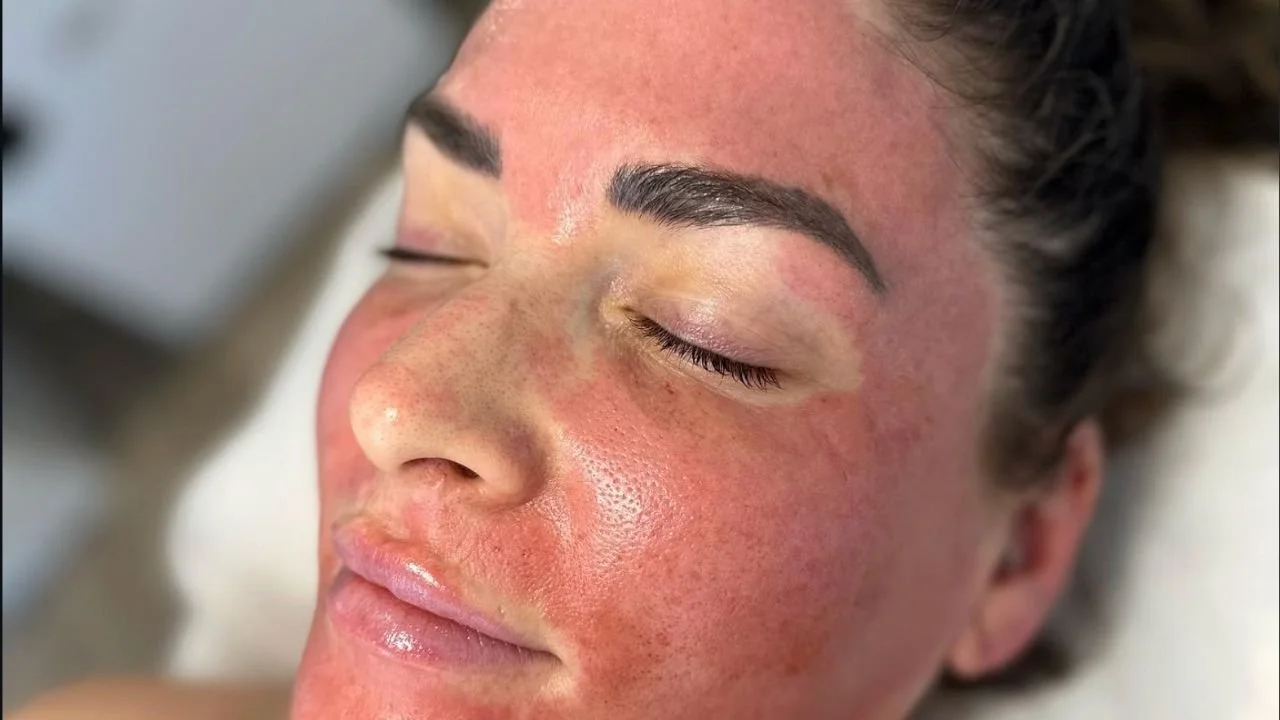
Third, professional chemical peels. For spots that shrug off your serums, professional chemical peels help. A professionally selected chemical peel can exfoliate damaged skin and help reduce the appearance of superficial pigmentation. Smoother skin surfaces underneath as it heals. Ours get matched to your tone and how deep the pigment sits. What works for one person can backfire on another.
Fourth, laser and light-based treatments. These target pigment directly. Expect faster, more noticeable fading, especially on stubborn spots. Not every laser suits every skin tone. An actual consultation needs to happen first. Pigment-targeting lasers and light-based treatments can work faster than topical routines, but the device and settings need to be matched carefully to the pigmentation and skin tone. On darker skin, inappropriate treatment can increase the risk of post-inflammatory pigmentation
Fifth, maintain the results. This isn't one-and-done. New sun exposure can restart the whole cycle. SPF plus a maintenance brightener keeps results looking good for months, not just weeks.
Is It a Sunspot or Something More Serious?
Solar lentigines are usually harmless, but not every brown spot is a solar lentigo. A new or changing spot should be assessed before cosmetic treatment. But every so often, your skin sends up a flare worth noticing. If a spot suddenly looks different from the one beside it, get it checked instead of guessing.
It is grown or changed shape recently
The edges look blurry instead of clean
It's started itching, bleeding, or sitting raised
None of that means panic. It just means an assessment by a qualified medical professional or dermatologist. That peace of mind is worth the appointment alone.
Treating Darker Skin Tones the Right Way
Here is something we hear often. A client was once told peels or lasers "just aren't safe" for her skin tone. That is not really true. The distinction matters. The wrong peel or wrong laser setting can trigger new pigmentation on deeper skin. When appropriately selected and performed with the right settings, some peels and laser treatments can be used safely on darker skin. The risk of post-inflammatory hyperpigmentation still needs to be considered.
That is why we treat Fitzpatrick III through VI skin as its own category, not an afterthought. Dosage, peel strength, laser wavelength, all of it gets adjusted. What works on fair skin can backfire on darker skin if nobody adjusts for it.
Preventing New Spots From Showing Up
If sunscreen still feels like a summer-only habit, slow down here. Treating existing spots while ignoring prevention is like bailing water with the hole still open.
Wear a broad-spectrum SPF 30 or higher every day, and reapply when you are outdoors for extended periods
Seek shade and limit prolonged direct sun exposure when UV levels are highest.
Grab a wide-brimmed hat for longer outings
Is It Actually Worth The Money?
Fair question before spending more than a drugstore cream costs. Professional treatments like chemical peels run higher upfront. They tend to work faster on pigment that has sat there for years. We will never push a treatment that you don't need. Mild spots plus real patience might only need a solid topical routine. Months of trying with nothing to show usually means it's time to speed things up.
So which one actually fits where you're at right now? A slow three-month routine, or something built around your skin?
FAQs
Are sunspots dangerous?
Almost never. They are cosmetic, not medical. Anything changing still deserves a look.Do they come back after treatment?
They can, if sun exposure keeps happening unchecked. That's why prevention isn't optional.What's the best treatment for sunspots on your face if you want speed?
For faster visible change, professional procedures such as appropriately selected laser treatments or chemical peels may work more quickly than topical routines. The best option depends on what the spot actually is, your skin tone and how deeply the pigment sits.