

What Is Morpheus8? 6 Important Answers About This Popular Treatment
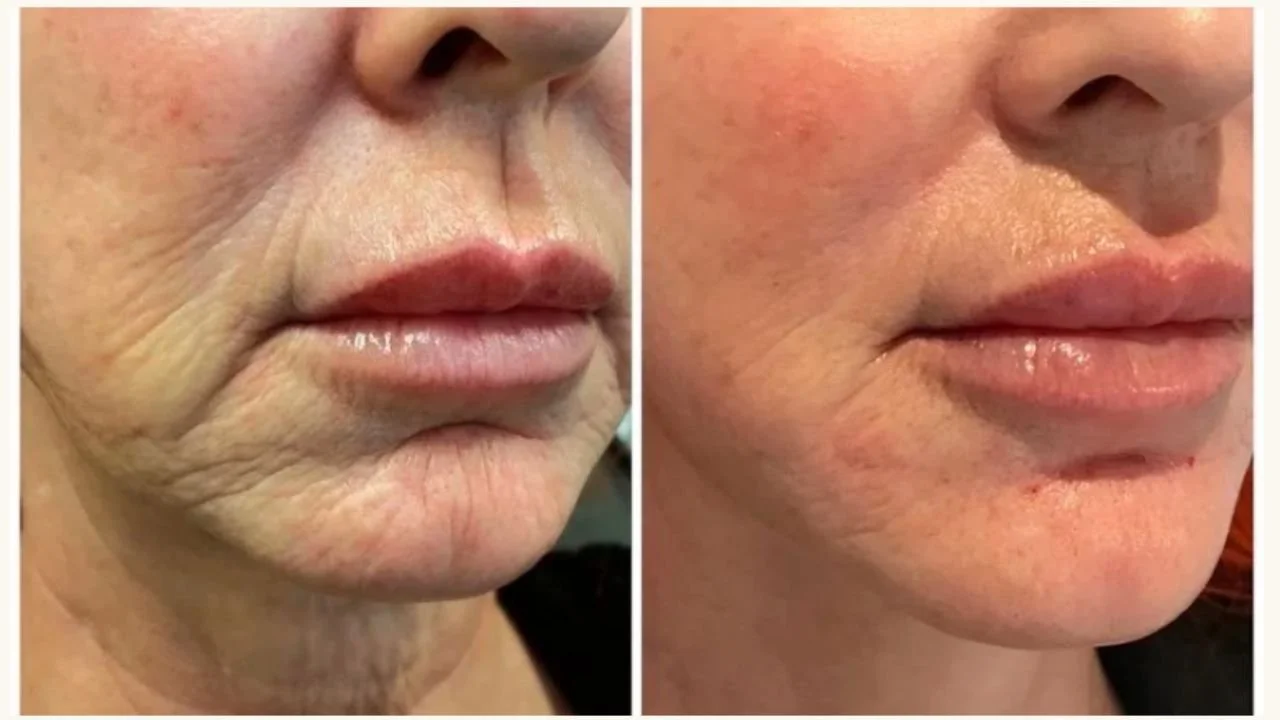
Morpheus8 is a radiofrequency microneedling treatment: needles plus heat, working together to get your skin producing more collagen. That is the short version. If you have been seeing the name everywhere lately, there is a reason for it.
Most people land on it while looking for something in between skincare and surgery. They want to see an actual difference, but they are not ready to book an operating room. Then the questions start: Does it hurt? What is it even doing under there? Is it worth paying for?
Those are the right questions to be asking. We get them a lot at Plump It Upp, so let us actually go through them.
How does Morpheus8 work?
The needles create tiny channels in the skin. At the same time, radiofrequency energy is delivered deeper into the tissue. Your body treats these tiny injuries as signals to repair the area, so it responds by ramping up collagen and elastin.
Why does that matter? Collagen is what gives skin its structure. Without enough of it, skin starts to look loose. Elastin is what lets skin snap back into place after you stretch it. Both drop off as we age, which is a big part of why skin can start to look tired even when nothing specific has "gone wrong."
There is usually minimal downtime. Most people experience redness and swelling for a few days.. The change happens under the surface, and it shows up slowly rather than all at once, which is usually how good results should look.
What is it actually used for?
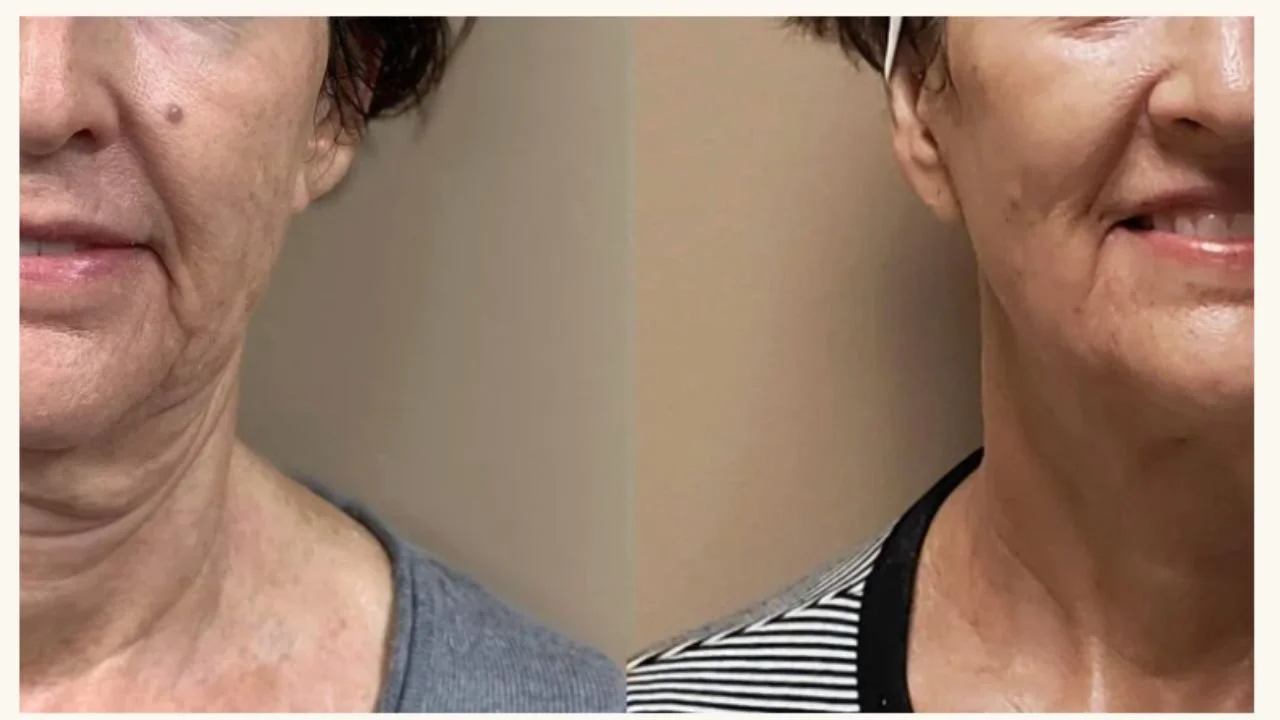
So, what is Morpheus8 used for? It depends who is asking and what they are dealing with. We commonly recommend it for concerns such as fine lines, rough texture, larger pores, acne scarring, mild sagging around the jaw or neck.
Some patients only care about tightening. Others are more bothered by texture. A fair number want both, and Morpheus8 can handle that too.
We rarely treat it as a one-and-done fix on its own. It usually works best folded into a broader plan for someone's skin, rather than being the entire strategy.
Who tends to do well with it?
People who want firmer skin, or just a fresher look, without going the surgical route. A lot of our patients are pretty clear that they don't want to look "different;" they want to look like themselves, just less exhausted.
It is not a match for every concern, though. Sometimes another treatment makes more sense, and that is really something to work out in a consultation rather than guess at beforehand. At Plump It Upp, every Morpheus8 treatment is adjusted to the person's skin concerns, skin type, and goals rather than using the same settings for everyone.
Does it hurt?
Uncomfortable is the word most people reach for and ‘not painful’. We numb the area first, and during the treatment you will feel heat, maybe some prickling or a buzzing sensation.
Some patients barely notice. Others are counting down the minutes. Both reactions are completely normal since pain tolerance is just personal. The discomfort itself passes quickly. The actual skin changes take a lot longer to show up.
When will you see results?
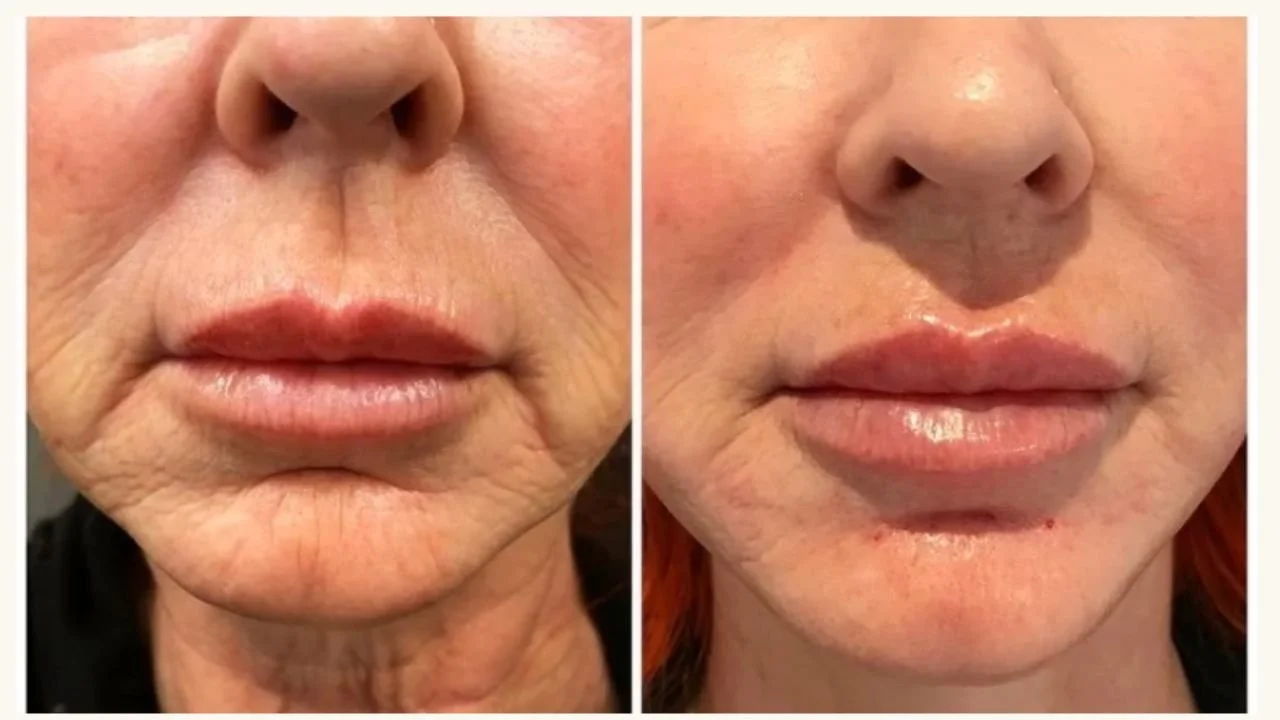
Not overnight, no. A few people notice a bit of glow right away, but the more noticeable changes take weeks to months, because collagen production simply isn't fast.
Most patients need more than one session. The number of sessions depends on what you are treating and what you are hoping to get out of it, so try not to read too much into any single before-and-after photo you see online. That is one data point, not the whole picture.
Is it safe?
It comes down to who is doing it and what your skin is like. Redness and swelling are normal afterward, sometimes some tenderness too, and it usually settles within a few days.
Experience across different skin tones matters here more than people realize. At Plump It Upp, we focus on natural-looking results and have specific experience treating a wide range of skin tones can influence treatment planning and reduce the risk of avoidable complications.
What about cost and downtime?
People always want to know if it is worth the money, which is fair. Truthfully, the answer changes depending on your goals and how many sessions it takes to get there.
Downtime is generally light: some redness, some swelling, most people are back to normal within a few days. Before you book anything, it is worth sitting with a few questions:
Can you handle a little downtime right now?
Are you after something subtle, or a bigger shift?
Is it the tightening you want, texture, or both?
Is this the right season of life to invest in your skin this way?
Why does everyone keep talking about it?
Because it sits in that gap between skincare and surgery, and that gap is where a lot of people actually want to be. Stronger than a facial, nowhere near as involved as going under the knife.
But the hype isn't really the point, fit is. If the treatment lines up with what you actually want, it makes sense to do it. And if your skin needs help rebuilding, it is worth picking something that works with that process instead of against it.