

Does Laser Hair Removal Hurt? 9 Honest Facts Revealed

Fact #1: Yes, Laser Hair Removal Hurts a Little, But It's Usually Less Than People Expect
Yes, it hurts a little.Most people seem relieved when they hear that answer.Not because they want it to hurt. Because it sounds honest.
The internet has a funny way of turning simple questions into complicated ones. Spend ten minutes searching "Does laser hair removal hurt?" and you'll find every answer imaginable. One person says they felt nothing. Someone else makes it sound like an endurance sport.
Neither version is especially helpful.
At Plump It Upp, we hear this question all the time. Sometimes it comes up right away. Sometimes people wait until they're standing at the front desk booking their appointment.
Then it slips out.
"Can I ask one thing?"
Of course.
"How much does it actually hurt?"
It's rarely just curiosity.
People want to know what they're signing up for. They want to know if they'll regret it halfway through. They want to know whether they're tougher than they think or softer than they'd like to admit.
Fair enough.
Most of us do the same thing before trying something new. The funny part is that people often spend more time worrying about laser hair removal than actually receiving it. A treatment might take twenty minutes. The worrying can last three weeks.
By the time some people arrive, they've already had the appointment ten times in their head. They've watched videos. They've read reviews from strangers. They've imagined every possible outcome.
Then treatment starts. A few minutes later, they're surprised. Not because it feels amazing. Because it feels normal.
That's probably the word we hear most often afterward. Normal.
Not painless.
Not unbearable.
Just normal.
Fact #2: The Anticipation Is Often Worse Than the Treatment
Trying to describe the sensation is where things get tricky.
People reach for comparisons because there isn't a perfect one.
The rubber band comparison gets used a lot. You've probably heard it already. Some people think that's accurate. Others don't.
One woman said it felt like tiny sparks of heat. Another compared it to touching a warm coffee mug for a split second.
A man once told us it felt like static electricity. That one stuck with me because it actually made sense. The sensation shows up quickly. Then it's gone. Before you can fully process it, the moment has already passed. That's very different from what most people imagine beforehand.
Pain tends to sound bigger in anticipation than it does in real life. You can see it in other situations too. Think about public speaking. Most people fear the five minutes before they stand up. Once they're actually talking, things usually improve.
Laser hair removal follows a similar pattern. The waiting is often worse than the treatment.
Fact #3: Some Areas Feel More Sensitive Than Others
Not every area feels the same. Nobody ever asks whether their calves will hurt. It's always the upper lip. The bikini area comes up too. Sometimes the underarms.
People already know those spots are more sensitive. They've waxed there. They've tweezed there. They have history with those areas.
They're not wrong. The upper lip definitely gets your attention.
So does the bikini line. But notice what people rarely say afterward. They rarely say it was worse than expected. Usually it's the opposite. The anticipation carried most of the weight.
Fact #4: Does Laser Hair Removal Hurt More Than Waxing? Usually Not
That brings us to waxing. Because sooner or later, every conversation ends up there.
Most people aren't really asking whether laser hair removal hurts. They're asking whether it hurts more than something they've already experienced. For many women, that's waxing. For some men, it's years of shaving irritation.
They're looking for a reference point. Something familiar. So let's talk about it. Does laser hair removal hurt more than waxing? For most people, no.
The two experiences feel completely different. Waxing has a rhythm to it. You know exactly when the strip is coming off. You brace yourself. Then it happens again. Then again. There's a cycle.
A beginning, middle, and end every single time.
Laser hair removal doesn't work like that.
The sensation appears and disappears so quickly that many people stop anticipating it after a few minutes. We've had people who waxed for years tell us they wished they'd switched sooner. Not because laser hair removal feels pleasant. Because they realized they'd spent years enduring something they disliked far more.
Fact #5: Hair Thickness Can Change How the Treatment Feels
Another thing people don't always expect is how much hair thickness changes the experience.

The conversation usually focuses on pain tolerance. As though some people are naturally built for laser hair removal and others aren't. Reality is less dramatic. Hair characteristics matter.
Thicker, darker hair tends to react differently than fine hair. During the first few sessions, areas with dense growth often feel more noticeable. That's one reason the bikini area gets mentioned so often. It's also one reason the experience changes over time. After a few treatments, many people notice something interesting. The appointments start feeling different. The hair isn't the same anymore.
Growth becomes patchy. Strands become finer. Some areas barely grow at all between visits. Nobody wakes up one morning with a higher pain tolerance. The landscape simply changes.
And the treatment changes with it. That's one reason first appointments and fifth appointments rarely feel identical. People sometimes forget that. They assume every session will feel exactly like the first one. Most of the time, that's not what happens.
Fact #6: Modern Laser Technology Makes Treatments More Comfortable
Technology plays a role too. Some of the horror stories people still share online come from equipment that's long gone. The industry has changed. Treatments have changed.
At Plump It Upp, laser hair removal is performed using DiolazeXL technology. One thing people notice almost immediately is the cooling feature built into the system.
It sounds like a small detail. It isn't. Anyone who's ever held a cold compress against irritated skin understands how much difference cooling can make.
Comfort matters. Not because treatment needs to feel luxurious. Because people are more likely to stay consistent when appointments feel manageable.
And consistency is where results happen.
Fact #7: The First Appointment Is Usually the Hardest Mentally
Something else changes after the first appointment. The questions change. Nobody asks what it feels like anymore. Now they know.
Instead, people start asking how many sessions they'll need. They ask when they'll notice a difference. They ask whether it's normal to see patchy regrowth. The conversation moves forward.
Fact #8: Most People Quickly Focus on the Results Instead of the Sensation
That's always interesting to watch. The thing that felt enormous before treatment slowly becomes a small part of the story. Not because discomfort disappeared. Because other things became more important.
The reduction in shaving. The lack of ingrown hairs. The extra ten minutes in the morning. The vacation that doesn't require last-minute waxing appointments. Those are the things people end up talking about. Not the laser pulses themselves.
Fact #9: The Temporary Discomfort Is Usually Forgotten Long Before the Results Are
Maybe that's the most honest answer to the original question.
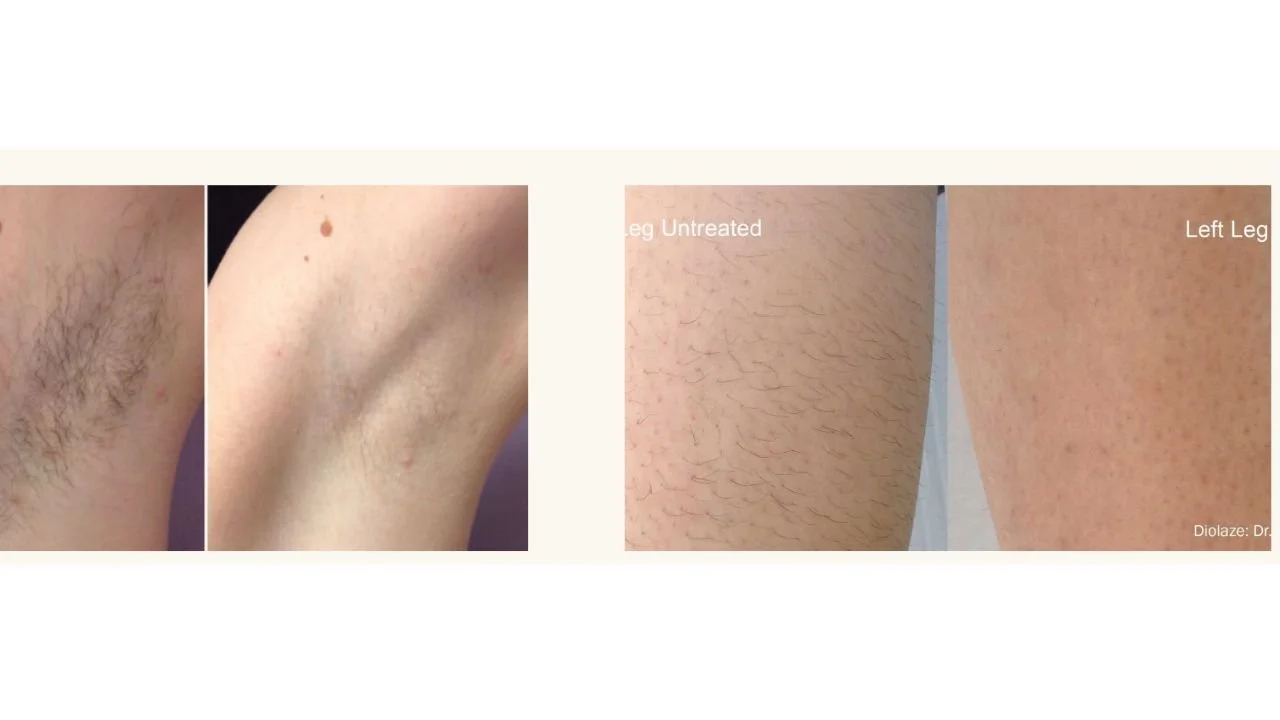
Yes, laser hair removal hurts a little. Then life moves on. For most people, that's the part they remember.
FAQs
1. Does laser hair removal hurt more during the first session?
The first session often feels more intimidating because everything is unfamiliar. Most people don't know what to expect, so they focus on every sensation. Once you've experienced a treatment, the uncertainty disappears and future appointments usually feel much easier mentally.
2. Why do some areas hurt more than others during laser hair removal?
Areas like the upper lip, underarms, and bikini line tend to feel more noticeable because the skin is thinner and the hair is often thicker. Treatment is still manageable for most people, but these spots usually get more attention than larger areas like the legs or arms.
3. Does laser hair removal get less uncomfortable over time?
For many people, yes. As treatments continue, hair often becomes finer and less dense. With fewer active follicles to target, sessions may feel different than the first few appointments. Many clients notice that later treatments are easier than they expected