

What Really Causes Under Eye Wrinkles? A Closer Look
Most people don't notice under-eye wrinkles when they first appear.
They notice them later.
Usually after they've been there for a while.
A photograph does it sometimes. You see yourself in a group picture and something feels different. Not dramatically different. Just tired. Maybe a little older than you expected.
For other people, it's makeup.
One day your concealer glides on without a second thought. Then, somewhere along the way, it starts settling into little lines that weren't there before.
The reaction is almost always the same.
You get closer to the mirror.
You look again.
Then you start wondering what happened.
The funny thing is that under-eye wrinkles rarely show up overnight. Most have been developing quietly for years. You simply reached the point where they became harder to ignore.
That's why so many people end up searching for answers.
How did this happen? Can I fix it? Did I wait too long?
At Plump It Upp, we've had versions of this conversation countless times. What's interesting is how often people assume one thing caused the problem.
Age. Stress. A bad skincare product. A single habit. The reality is usually less dramatic.
Under-eye wrinkles are often the result of small things repeated over a very long time.
That's frustrating. It's also good news. Because small things can change.
The Area Under Your Eyes Plays By Different Rules
The skin beneath your eyes has always had a tougher job than most people realize.
It's thinner than other areas of the face. It moves constantly. It has less support beneath the surface.
Think about how often you use your eyes during the day.
You smile. You laugh. You squint at your phone. You squint at road signs. You blink thousands of times without ever thinking about it. All of those movements seem insignificant because they happen automatically.
But skin keeps score. It doesn't keep score immediately. It keeps score over years.
That's why many people notice under-eye wrinkles before they notice major changes elsewhere.
The area simply has less room for error. Then collagen enters the conversation. Or more accurately, collagen slowly leaves it.
Nobody feels collagen disappearing. Nobody wakes up and notices less elastin. What people notice is the effect.
Skin doesn't bounce back quite as quickly. Fine lines linger. Everything looks a little less smooth than it once did. The changes happen gradually.
So gradually that most people miss them while they're happening.
Sometimes The Clues Have Been There For Years
One thing we notice often is that people tend to focus on the wrinkle itself.
Not what led to it. That's understandable. The wrinkle is what you can see. The cause usually isn't. Take sunglasses, for example.
Most people think of sunglasses as an accessory. Something helpful on bright days. Something stylish.
Very few people think about them as protection for the skin around their eyes. Then years pass.
Those years include vacations, walks, sports events, afternoons at the beach, school pickup lines, outdoor lunches, and hundreds of moments spent squinting against sunlight.
No single afternoon created a wrinkle. But all those afternoons together tell a different story. The same thing happens with sunscreen. Most people know sunscreen matters. That's not the problem. The problem is consistency. The beach gets sunscreen. The vacation gets sunscreen. The average Tuesday often doesn't. Yet skin experiences all of those days the same way. Sun exposure doesn't care whether you're on a tropical vacation or driving to the grocery store. It simply keeps showing up.
The Habits That Seem Harmless
Sometimes it's not the sun. Sometimes it's your hands.
People touch their eyes more than they realize. Allergies. Fatigue. Contact lenses. Stress.
A quick rub here and there doesn't seem important. Most habits don't seem important while they're happening. That's what makes them habits. You repeat them without thinking.
Over time, that repeated friction can become part of the bigger picture. The same goes for sleep. Nobody likes hearing that sleep matters because it feels obvious. We already know it matters. We just hope it doesn't matter quite as much as it does. A few restless nights won't transform your face. Years of poor sleep can. The under-eye area tends to reveal that story early. Sometimes before the rest of the face catches up.
You see it in parents with young children. You see it in professionals working long hours. You see it in people who have spent years treating exhaustion as a normal part of life. The body adapts. The skin remembers.
The Search For The Perfect Product
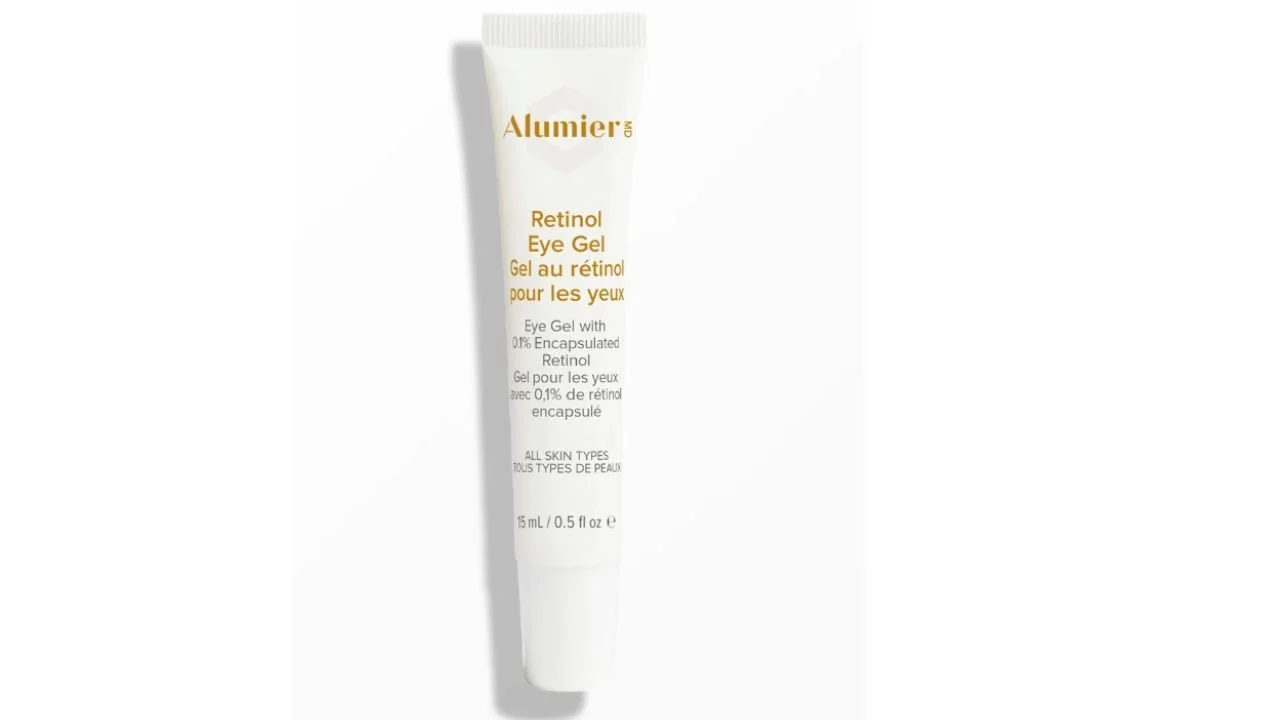
This is usually where the skincare drawer gets crowded.
An eye cream doesn't work. So another one arrives. Then another. Recommendations come from friends, social media, magazines, and late-night internet searches.
The products change. The wrinkle stays. It's easy to understand why people get frustrated. The beauty industry does an excellent job of selling hope. Sometimes too good. A product can absolutely improve hydration. It can improve texture. Certain ingredients can support collagen production and help skin look healthier. What a product cannot always do is reverse years of structural change. That's where expectations start colliding with reality. And reality usually wins. The people who see the best results are often doing boring things consistently.
Daily sunscreen. Patience. Hydration. Healthy sleep habits. Retinoids when appropriate. Nothing about that routine sounds exciting. That's probably why people keep looking for something more impressive.
The Biggest Mistake Might Be Waiting
Many people notice changes and decide to watch them for a while.
That seems reasonable. Life gets busy. The wrinkle doesn't feel urgent.
Months pass. Then years. Eventually the concern becomes harder to ignore.
At that point, people often wish they had paid attention earlier. Not because the situation is hopeless. Far from it. Early changes are simply easier to manage than established ones.
That's true for many things in life. Skin isn't much different.
Can Under-Eye Wrinkles Actually Improve?

People ask this all the time.
The answer isn't particularly satisfying because it depends. Some wrinkles respond well to healthy habits and good skincare. Some don't. Some are tied to dehydration. Others are connected to collagen loss. Sometimes what looks like a wrinkle is really volume loss creating shadows beneath the eyes.
Every face arrives with its own story. That's why comparing yourself to someone else rarely helps. What worked for them may have addressed a completely different issue.
Improvement is often possible. Perfection is another conversation. Most people aren't chasing perfection anyway. At least not the people we meet.
They want to look rested. They want to stop looking tired when they feel fine. They want the reflection in the mirror to match how they feel inside. Those goals tend to be healthier. And more realistic.
When Skincare Stops Doing The Heavy Lifting
Eventually some people start exploring professional options.
Others don't. Neither decision is wrong. What matters is understanding what you're hoping to achieve.
At Plump It Upp, treatment conversations usually start with questions rather than recommendations. What changes are bothering you? What have you already tried? What would make you feel better when you look in the mirror? The answers often reveal more than the wrinkle itself. Sometimes people are focused on one line beneath the eye. What they're really describing is looking tired all the time. Or feeling less confident in photos. Or noticing subtle changes that don't quite feel like them. Those concerns deserve attention too. Because under-eye wrinkles are rarely just about wrinkles.
They're often about how we see ourselves changing.
A Different Way To Think About It
Most people spend years searching for the thing that caused their under-eye wrinkles.
The truth is usually less dramatic. It wasn't one thing. It was sunlight. A little stress. Some missed sleep. A few habits repeated thousands of times. Life, basically. That's the frustrating part. It's also the hopeful part.
Because if small habits helped create the problem, small habits can help improve it too. Not overnight. Not through a miracle product. Just gradually. The same way the wrinkles arrived in the first place. Slowly. One ordinary day at a time.
FAQs
1. Why do I have under-eye wrinkles even though I'm still young?
Age is only part of the story. The skin under your eyes is naturally thinner and moves constantly throughout the day. Sun exposure, squinting, poor sleep, dehydration, genetics, and everyday facial expressions can all contribute to fine lines appearing earlier than expected.
2. What actually helps reduce under-eye wrinkles?
The most effective approach is usually a combination of habits rather than one miracle product. Daily sunscreen, quality sleep, proper hydration, consistent skincare, and protecting the eye area from unnecessary strain can all help improve the appearance of fine lines and support healthier-looking skin over time.
3. Can under-eye wrinkles go away completely?
It depends on the type and depth of the wrinkles. Some fine lines may soften with good skincare and lifestyle changes, while deeper wrinkles can be more difficult to fully reverse. Most people see the best results when they focus on improvement rather than complete elimination.